


Frozen Feast
4.5187.00 Reviews
App Specs
- Version
- 1.0.3
- Updated On
- License
- Free
- Downloads
- 10,000+
- Developer
- Feavy Games
- Categories
- Role Playing
- Platform
- Android
Screenshots

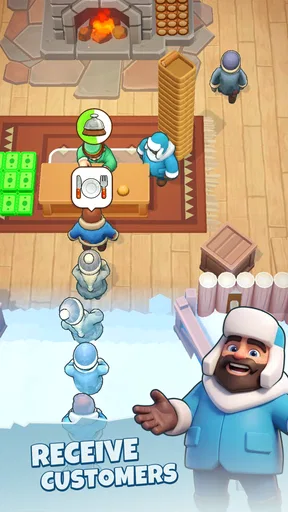
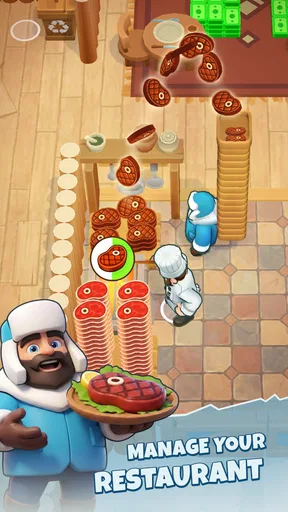
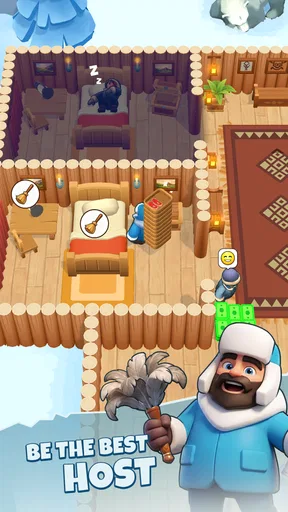
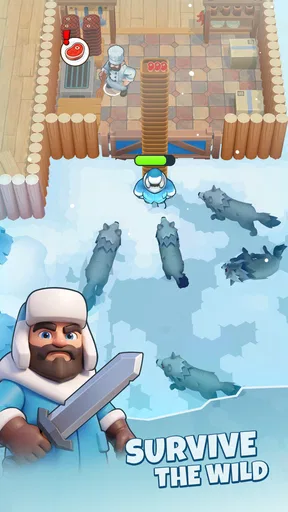


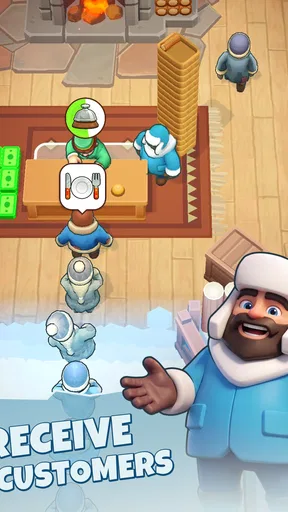
 Analysis by AppCompare
Frozen Feast is a role-playing game built around a simple survival fantasy: I gather materials, make practical decisions, and gradually shape a shelter that feels like my own. That premise is easy to understand, but the real question is whether it remains enjoyable after the first burst of curiosity. After spending time with it, I see a game with a pleasant first-week rhythm and a more demanding long-term test. Its strongest appeal comes from turning small resource-gathering choices into visible progress, while its weakest point is that the routine can feel repetitive when I am no longer discovering something new.
The game is free, developed by Feavy Games, and suitable for Everyone. It belongs to the role-playing category, although I would describe it as a lighter, more approachable take on that genre rather than a deep character-driven adventure. The central pleasure is not complicated combat or a huge narrative. It is the steady movement from exposed and underprepared to more comfortable and organized. If you like games where a short session still leaves your surroundings better than you found them, this is the part most likely to draw you in.
Why the opening sessions are so easy to enjoy
My first impression was shaped by the clarity of the main loop. I did not need a long explanation to understand what I was working toward: collect useful materials, decide what deserves attention, and improve the shelter. That directness matters on a phone. I can open the game without preparing for a complicated campaign, make a little progress, and leave with a clear idea of what I want to do next.
The frozen setting gives ordinary gathering a stronger identity than it would have in a generic village builder. Materials are not just abstract rewards; they support the feeling that I am trying to make a harsh environment more manageable. Even when the individual actions are straightforward, the setting gives them a reason. I am not collecting items merely because a menu tells me to. I am gathering because the shelter is the center of my survival and comfort.
That makes the first week especially appealing. Early progress feels meaningful because each improvement changes the way I think about the space around me. I begin by reacting to immediate needs, then start planning ahead. A useful habit is to pause before spending materials and ask which improvement will reduce the most future friction. Choosing the option that helps several later goals can be more satisfying than immediately selecting the most attractive-looking change.
I also found the game well suited to short, repeated visits. A quick session can be used to gather a small amount, check what the shelter needs, and stop before the experience becomes tiring. A longer session works when I want to focus on a particular improvement. This flexibility is important because the game does not need to replace a large console or PC role-playing adventure. It works better as a companion for spare moments, especially when I want visible progress without committing to a long story chapter.
One practical scenario shows where it fits best. If I have a few minutes while waiting for an appointment, I can use that time to collect materials and think through the next shelter decision. Later, when I have more attention available, I can return with a clearer goal instead of wandering through the same tasks. That separation between gathering and planning makes the game more useful than a purely idle distraction, even though it remains light enough for casual play.
Worth Reading Before You Choose

Flipboard Shows What News Apps Must Do Beyond the Feed

Switching to Android Auto Means Rethinking Your Driving Routine

Google Calendar Makes a Crowded Week Easier to Manage

Ludo King Makes the Most of the Minutes Between Plans

Baby Panda World Brings Quick Play to Modern Phones, but Its Game Library Feels Busy

ESPN’s Live Game View Makes Following Close Games Easier
The early appeal also comes from the emotional contrast between the cold surroundings and the idea of building a personal refuge. The shelter gives the game a sense of ownership. I am not simply completing a checklist; I am working toward a place that represents progress. That feeling is strongest at the beginning, when every improvement seems to close the gap between vulnerability and stability.
Still, I would not call the opening especially deep. Players who expect elaborate dialogue, complex party management, or a large combat system may find the role-playing label broader than they expected. Frozen Feast is more appealing to someone who enjoys resource decisions and gradual construction than to someone seeking a dramatic, story-heavy adventure. Its accessibility is a strength, but it also sets a ceiling on how much mechanical variety the first sessions can provide.
Small decisions that make early progress smoother
My most useful early approach was to avoid treating every material as equally urgent. When several improvements are available, I first consider whether one choice will open a better chain of progress or make later gathering feel less wasteful. This is a simple strategy, but it prevents the common mistake of spending everything on the first visible upgrade and then feeling stuck with less flexibility.
I also recommend using the shelter as a planning board rather than only as a reward screen. Before ending a session, I look at what the next visit should accomplish. That turns the game into a sequence of small projects instead of a loose cycle of tapping and collecting. It is a modest change in approach, but it helps preserve the feeling of purpose once the novelty of the frozen setting begins to settle.
What remains valuable after the novelty fades
The month-to-month question is more complicated. Frozen Feast has a recurring-value loop, but that value depends heavily on whether I enjoy incremental improvement for its own sake. The game is at its best when I can set a modest objective, work toward it, and see the shelter become more capable or more personal. If that kind of gradual progress is satisfying to me, the game can remain a comfortable routine.
Its long-term strength is the low barrier to returning. I do not need to remember a complicated plot or reconstruct a large inventory plan after a break. The core idea remains understandable: gather what is useful and keep improving the place that protects me. That makes it friendly to irregular players. I can step away and return without feeling punished simply because I missed several days of a demanding campaign.
There is also a useful difference between playing for completion and playing for maintenance. Completion-focused players may run out of motivation once the major shelter goals are handled. Maintenance-focused players can continue finding value in small improvements, careful preparation, and the satisfaction of keeping a personal space moving forward. Frozen Feast suits the second group better. Its lasting appeal comes from the ritual, not from constant surprise.
For a recurring habit, I would divide play into three kinds of sessions. In a gathering session, I focus only on collecting the materials needed for a specific purpose. In a planning session, I decide how to spend them instead of making impulsive choices. In a finishing session, I complete one improvement and stop while the result still feels satisfying. Separating these moods reduces the sense that every visit is the same task repeated without direction.
This approach also reveals one of the game’s trade-offs. A flexible, low-pressure loop is convenient, but it may not create enough urgency for players who need strong goals. Compared with a traditional role-playing game built around quests, characters, and plot milestones, Frozen Feast offers less narrative momentum. Compared with a purely decorative shelter game, it offers more of a survival-minded reason to gather. It sits between those styles, and that middle position will feel either pleasantly relaxed or insufficiently ambitious depending on what I want from a mobile game.
The public response suggests that the game has found an audience. It holds an average rating of 4.4 from around 2.3 thousand ratings, with 178 written reviews and over 10 thousand installs. Those figures do not change my personal assessment, but they fit the impression that the accessible shelter-building loop is easy for many players to understand. I would treat that popularity as a reason to try it, not as proof that its slower routine will suit everyone.
Who is likely to keep returning
I think Frozen Feast is a good match for players who enjoy calm progression, light role-playing structure, and resource gathering with a clear visual purpose. It also works for people who prefer a game that can be played in small pieces rather than demanding a long uninterrupted session. The Everyone age rating makes it approachable for a broad audience, although the right fit still depends more on taste than age.
I would be more cautious if I were recommending it to someone who wants constant action, competitive pressure, or a rich story with memorable characters. A player who measures value by combat variety or dramatic discoveries may find the shelter loop too narrow. In that case, a more traditional role-playing game would probably be a better use of time, even if it is less convenient for short sessions.
It is also not the best choice for someone who dislikes repeating a familiar routine. Gathering materials and improving a shelter can be relaxing, but the same structure that makes the game easy to understand can eventually make it predictable. The game asks me to supply some of the motivation myself. If I need the app to keep introducing major new systems, locations, or story turns, its recurring value may not be strong enough.
The maintenance burden and the points where fatigue appears
The biggest maintenance burden is not complexity; it is attention. I need to remember what I am gathering for and resist spending resources without a plan. That is manageable at first, but the responsibility shifts more toward the player as the initial excitement fades. The game does not automatically create a compelling reason for every return, so I have to create short-term goals that feel worthwhile.
That burden is modest compared with games that require constant event schedules, elaborate character builds, or lengthy daily routines. I appreciate that Frozen Feast can remain a casual part of my gaming time rather than becoming another obligation. At the same time, players who prefer a strong guided structure may interpret this freedom as a lack of direction. The same design choice can feel relaxing to one person and empty to another.
Repetition is the main source of fatigue. Gathering is satisfying while it supports a visible shelter improvement, but it becomes less engaging when it feels detached from a meaningful decision. My best defense was to avoid playing simply because the game was available. I returned with a specific intention, such as preparing for one improvement or reorganizing my priorities, and stopped when that intention was complete.
Another source of fatigue is the emotional flattening that can happen after the shelter no longer feels new. At the beginning, the cold environment creates tension and curiosity. Later, the same setting can become background scenery. The game would be easier to maintain as a habit if every return carried a fresh question, but its lasting value instead depends on whether I enjoy the quiet process of refinement.
Version 1.0.3 is the current version, and the game requires Android 7.1 or later. That makes it accessible to many older Android devices, which is useful for a lightweight mobile role-playing experience. I would still check that my own device handles it comfortably before making it a regular game, particularly if I plan to keep it installed alongside other large apps. The low entry barrier is one of its practical advantages, but device compatibility is only one part of a good long-term fit.
The free price also lowers the risk of trying it. I can test the first-week loop without committing money, which is exactly what I would recommend. Instead of deciding from the premise alone, I would play until the shelter stops producing obvious new excitement and then ask whether the remaining routine still feels rewarding. That is the honest test for this game: not whether the opening is pleasant, but whether I want to return when progress becomes slower and more deliberate.
How it compares with familiar alternatives
Against a conventional role-playing game, Frozen Feast is lighter and less dependent on story momentum. It is easier to dip into, but it does not offer the same sense of dramatic progression. Against a city-builder or decoration-focused game, it has a stronger survival flavor and a clearer reason for collecting materials, but it may offer less freedom for players who mainly want visual customization. Against idle games, it asks for more active choices and gives the shelter more personal meaning, though it may feel less effortless.
Those comparisons help define its best position. I would choose Frozen Feast when I want a small, self-contained progression routine with a cold-weather identity. I would choose another role-playing game when I want characters and narrative to carry my interest. I would choose a builder with broader customization when the design of the space matters more to me than the gathering process. The game does not need to win every comparison; it needs to match the mood I bring to it.
My long-term verdict on keeping it installed
Frozen Feast earns lasting space on my device only if I enjoy maintenance as a form of play. Its first-week appeal is real: the shelter gives gathering a clear purpose, the frozen setting adds atmosphere, and the progress is easy to understand. Its month-to-month value is quieter. It comes from setting personal goals, making careful spending decisions, and enjoying the gradual transformation rather than waiting for constant novelty.
I would recommend trying it to a friend who wants a free, approachable role-playing game for short sessions and likes the idea of building security from limited materials. I would especially recommend the planned-session approach: decide what the next improvement requires, gather with that goal in mind, and avoid turning every visit into an open-ended grind. That method makes the game feel more intentional and helps reveal whether its central loop genuinely suits the player.
I would not recommend it as a replacement for a story-rich adventure, a combat-heavy role-playing game, or a highly social long-term game. The routine can become predictable, and the player must provide much of the motivation once the shelter is no longer a novelty. Those are meaningful limitations, not minor details to overlook.
My final view is positive but measured. Feavy Games has made a focused game whose appeal comes from turning gathering into a personal shelter project. The free entry point, broad age rating, and accessible Android requirement make it easy to sample, while the current version gives interested players a clear starting point. The deciding factor is not how quickly the shelter improves, but whether the act of maintaining that progress still feels satisfying after the first excitement disappears. For me, it is worth keeping installed as a calm, occasional game rather than a permanent daily obligation. If that sounds like the kind of rhythm you want, Frozen Feast is a thoughtful choice; if you need constant discovery, I would look elsewhere.
Pros
- Charming frozen-food theme gives the game a distinctive visual identity.
- Short levels make it easy to enjoy during quick breaks.
- Simple controls are accessible for younger and casual players.
- Varied recipes help keep the cooking challenges from feeling repetitive.
- Progression offers a satisfying sense of improvement over time.
Cons
- Some stages can feel repetitive after extended play sessions.
- Later challenges may become frustrating without careful timing.
- The cartoon visuals may not appeal to players seeking realism.
- Limited strategic depth may disappoint experienced cooking-game fans.
- Progress can feel slow when rewards are earned gradually.
FAQs for Frozen Feast
What is Frozen Feast, and how does the game work?
Frozen Feast is a casual food-themed game centered on preparing, serving, and managing frozen treats. Players typically complete short levels by following recipes, combining ingredients, serving customers, and meeting time or score objectives. Its simple controls make it accessible for beginners, while progressively harder challenges add variety. The game is best suited to quick, relaxed play sessions rather than long, story-driven gameplay.
Is Frozen Feast free to download and play?
Frozen Feast can generally be downloaded without an upfront purchase, but availability and pricing may differ between Android and iOS. Like many free mobile games, it may include optional in-app purchases for coins, boosters, extra lives, cosmetic items, or faster progress. Before downloading, check the store listing for current purchase details and review your device’s payment settings, especially if children may use the device.
Does Frozen Feast require an internet connection?
The basic gameplay experience may work offline, which is useful when traveling or when mobile data is unavailable. However, certain features can require an internet connection, including advertisements, cloud synchronization, account services, events, updates, and in-app purchases. Offline availability may also vary by version and device. It is worth launching the game both online and offline to confirm which functions remain accessible.
Is Frozen Feast suitable for children?
Frozen Feast uses a light, colorful food-focused presentation and straightforward gameplay, so it may be suitable for younger players depending on the age rating in the relevant app store. Parents should still review the listing because advertising, optional purchases, and online features can affect the experience. If children are playing, enabling parental controls and requiring purchase approval is recommended to prevent accidental transactions.
What devices are compatible with Frozen Feast?
Compatibility depends on the version of Frozen Feast available in your region and the operating system installed on your device. Before downloading, check the official Google Play or App Store page for the required Android or iOS version, storage space, and supported devices. Keeping the operating system updated can improve stability, although older phones may experience slower loading, reduced performance, or limited access to newer features.


